Displaced Resonance
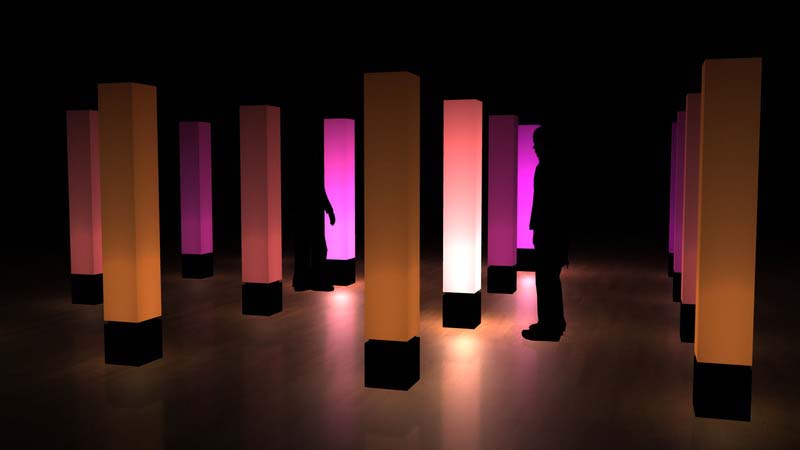
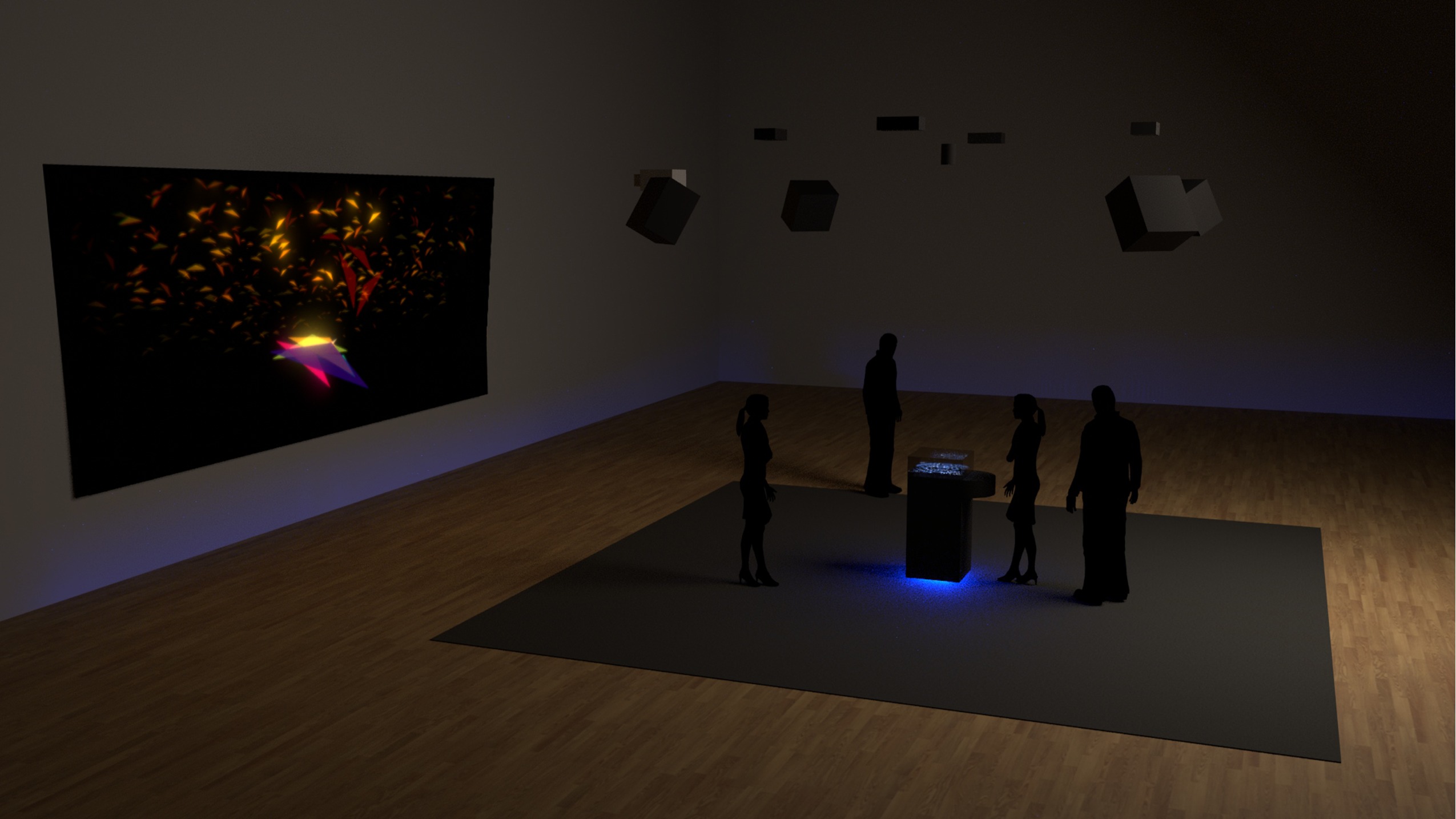
IDIA Lab was invited to design and exhibit an interactive artwork at the Third Art and Science International Exhibition at the China Science and Technology Museum in Beijing, China. Displaced Resonance is an interactive installation consisting of sixteen reactive forms that are networked in a grid of light and sound. Interaction within the sculptural field is based on a participant’s presence and proximity to each sculpture. The Displaced Resonance installation is connected to a mirrored instance of the field in a virtual environment – bridging both physical and virtual visitors within a shared hybrid space.
Project Overview
Technical Overview
Virtual Broad Art Museum (VBAM)
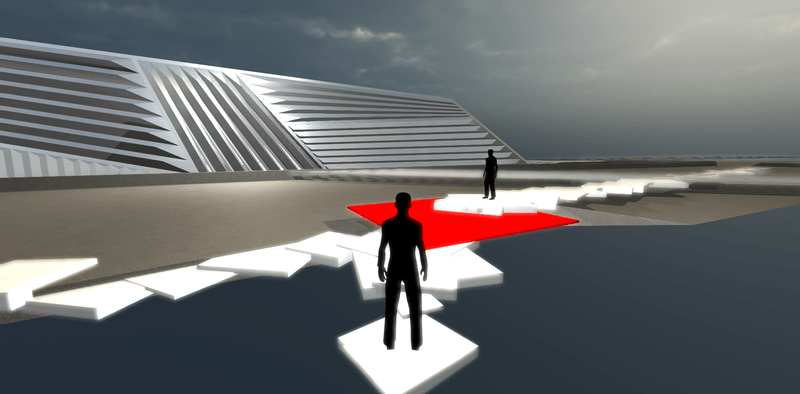
The Institute for Digital Intermedia Arts (IDIA Lab) at Ball State University was commissioned to design and build a virtual museum and artworks for the Eli and Edythe Broad Art Museum designed by architect Zaha Hadid. Founding Museum Director, Michael Rush commissioned John Fillwalk and IDIA Lab to envision and create a dynamic program of artworks for the Virtual Broad Art Museum project (VBAM). Fillwalk and his collaborators created an immersive multi-user environment and four commissioned artworks.
Project Video
Interactive Art Overview
Project Introduction
Flickr Gettr
IDIA was invited to exhibit their interactive public art installation in Mumbai, India at the International Annual Science and Technology Festival. Their exhibition, Flickr Gettr, was exhibited during the festival, the largest of its kind in Asia, which hosted more than 65,000 attendees.
In addition to exhibitions such as “Flickr Getter”, the festival featured keynotes such as Lars Rasmussen, Co-Founder of Google Wave and Google Maps; Vic Hayes, father of Wi-Fi; Ajay Bhatt, Co-Inventor of USB; Jonathan Gardner, Senior NASA Scientist; and R. Chidambaram, Principal Scientific Adviser of the Government of India.
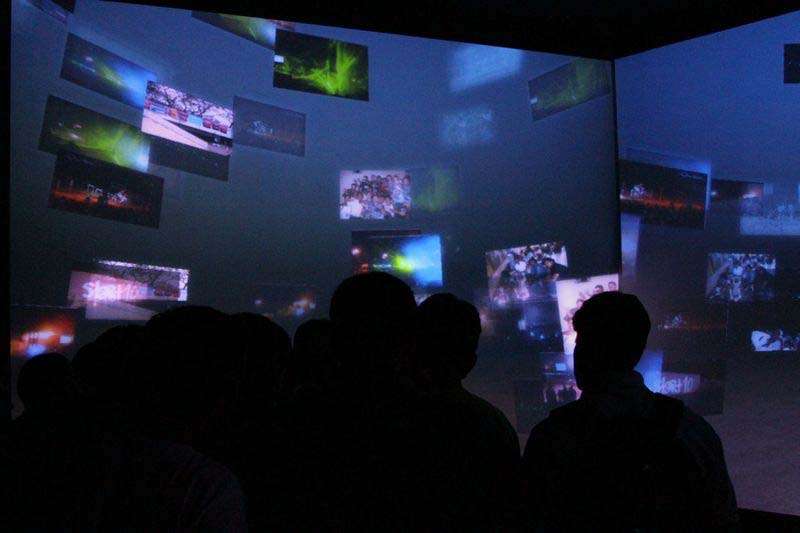
IDIA’s Flickr Getter is an interactive, sonic and visual experience, immersing the viewer in a three-dimensional cloud of user searched Flickr images.
Project Overview
Project Video
Center for Innovation, Ball State University
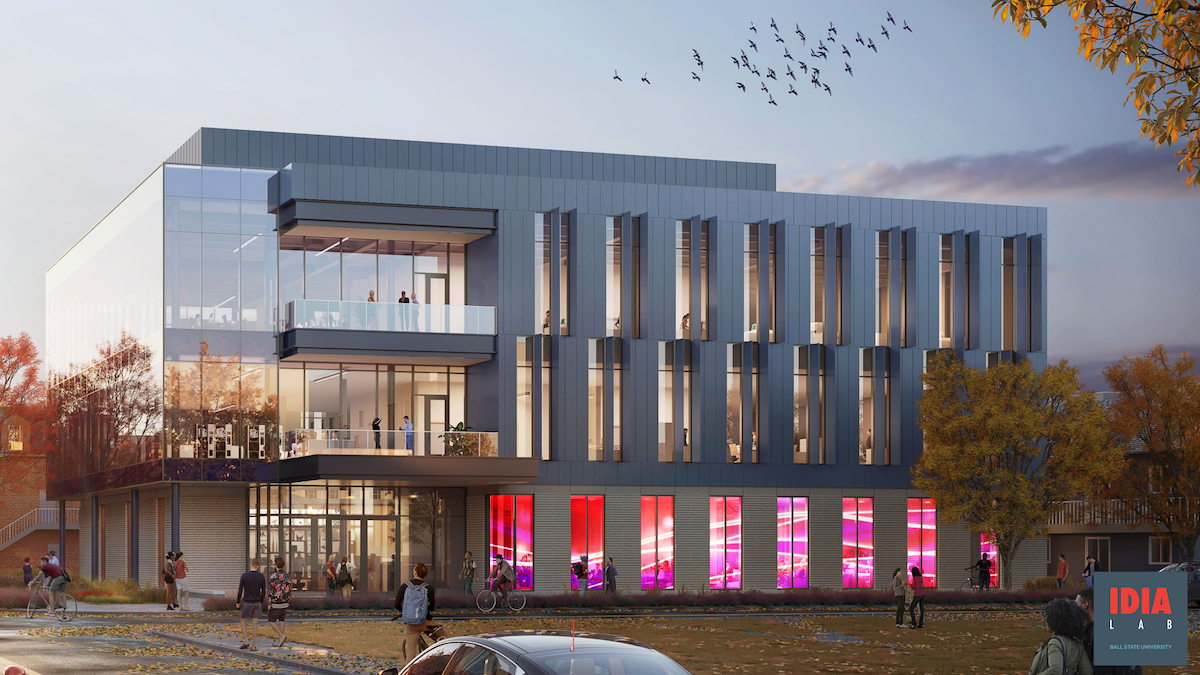
Project Overview – 1
Project Overview – 2
Project Video
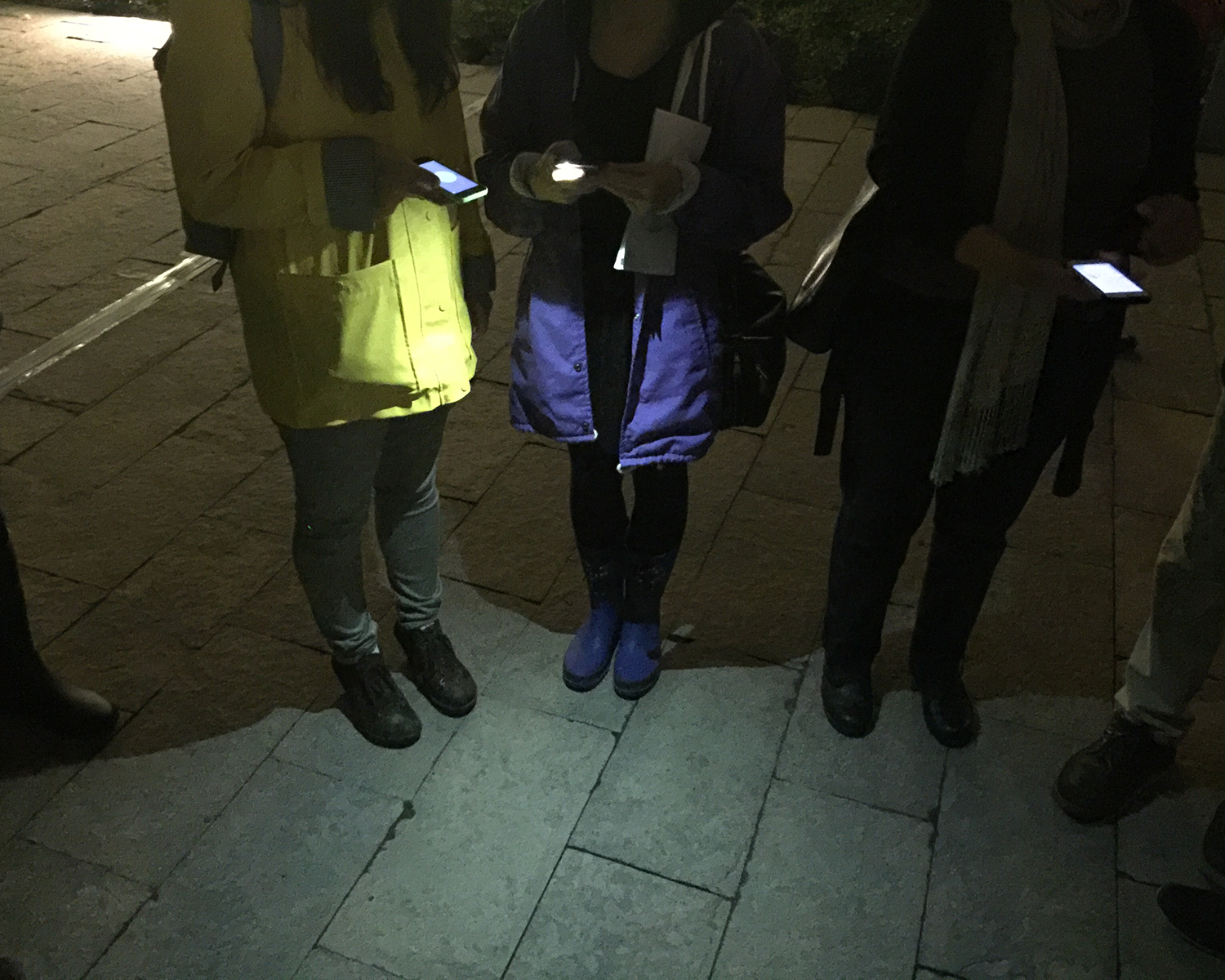
Firefly Effect – Toronto
IDIA Lab was invited to design and exhibit an interactive artwork at the Third Art and Science International Exhibition at the China Science and Technology Museum in Beijing, China. Displaced Resonance is an interactive installation consisting of sixteen reactive forms that are networked in a grid of light and sound. Interaction within the sculptural field is based on a participant’s presence and proximity to each sculpture. The Displaced Resonance installation is connected to a mirrored instance of the field in a virtual environment – bridging both physical and virtual visitors within a shared hybrid space.
Project Overview
Technical Overview
Nuit Blanche Toronto
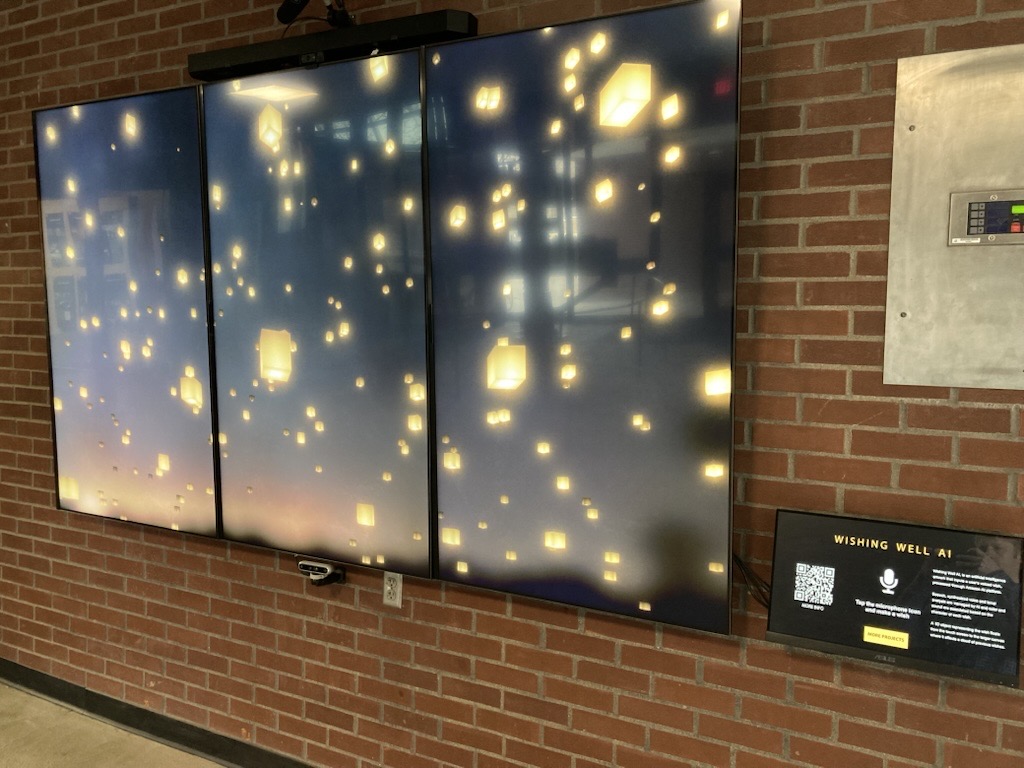
Wishing Well
Wishing Well (许愿池) by IDIA Lab, is an Artificial Intelligence (AI) installation that was invited into the 5th Arts and Science International Exhibition and Symposium (TASIES 2019) at the National Art Museum of China in Beijing located on Tiananmen Square. The exhibition curated the work of international artists engaged in the pioneering use of AI in the creation of art-making. The Wishing Well installation creates an interactive environment where visitors’ spoken wishes (spoken in Chinese) shape the substance, meaning and character of the artwork – mediated through artificial intelligence.
Project Overview – 1
Project Overview – 2
Technical Overview
Project Video
ART Wall
The IDIA Lab has designed a series of extended-reality artworks installed in the atrium of the College of Architecture and Planning at Ball State University. The installation allows passers-by to interact using various modes, including motion, voice, and gesture, to shape the compositions. The works employ sensors, sound art, artificial intelligence, and other programming to create dynamic experiences. IDIA Lab uses this public venue to prototype projects for installation at other venues. Funded by BSU CAP Office of the Dean.
Airport Visualizations
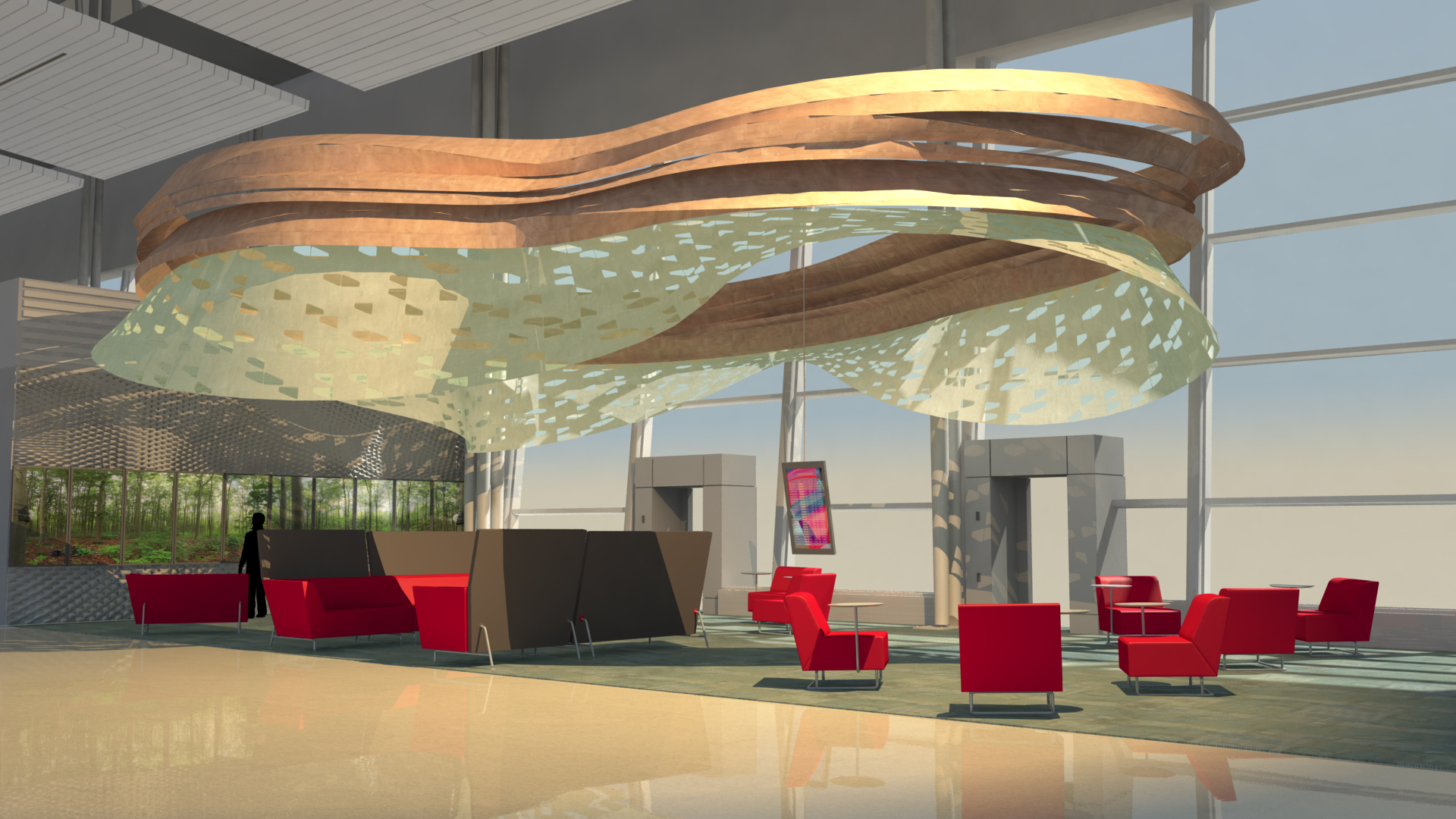
The Institute for Digital Intermedia Arts (IDIA Lab) at Ball State University developed innovative design concepts for the Indianapolis International Airport that seamlessly integrated digital media with architectural space to enhance passenger experience. Their approach combined digitally fabricated material elements with responsive technologies, embedding sensors throughout terminals and public areas to create immersive, interactive environments. These sensors enabled real-time engagement by detecting user presence and movement, triggering dynamic displays of light, moving images, and sound that transformed the airport into a living, responsive system. Through physical design and digital interactivity, IDIA Lab reimagined the airport as a canvas of information, emotion, and connection.
Transform
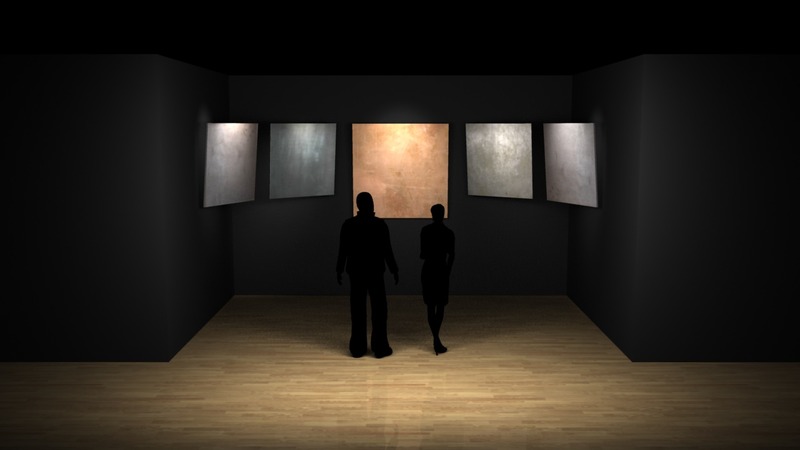
Trans|form is an interactive sound sculpture consisting of five metal plates with attached mechanical transducers that vibrate the metal according to audio signals sent from the computer. Interaction is provided through a capacitive sensing mechanism. When viewers move their hands near the plates or touch the plates, signals are sent to the computer, allowing the viewers to trigger sounds or modify the properties of sounds through their hand
movements.
Signals sent from the computer are resonated according to the physical properties of the metal plates. Additionally contact microphones attached to the plates can provide feedback to the computer, allowing the computer to gather information about the specific resonances of each metal plate. This information can be used to further.
Project Video
Technical Overview
City of Carmel Indiana
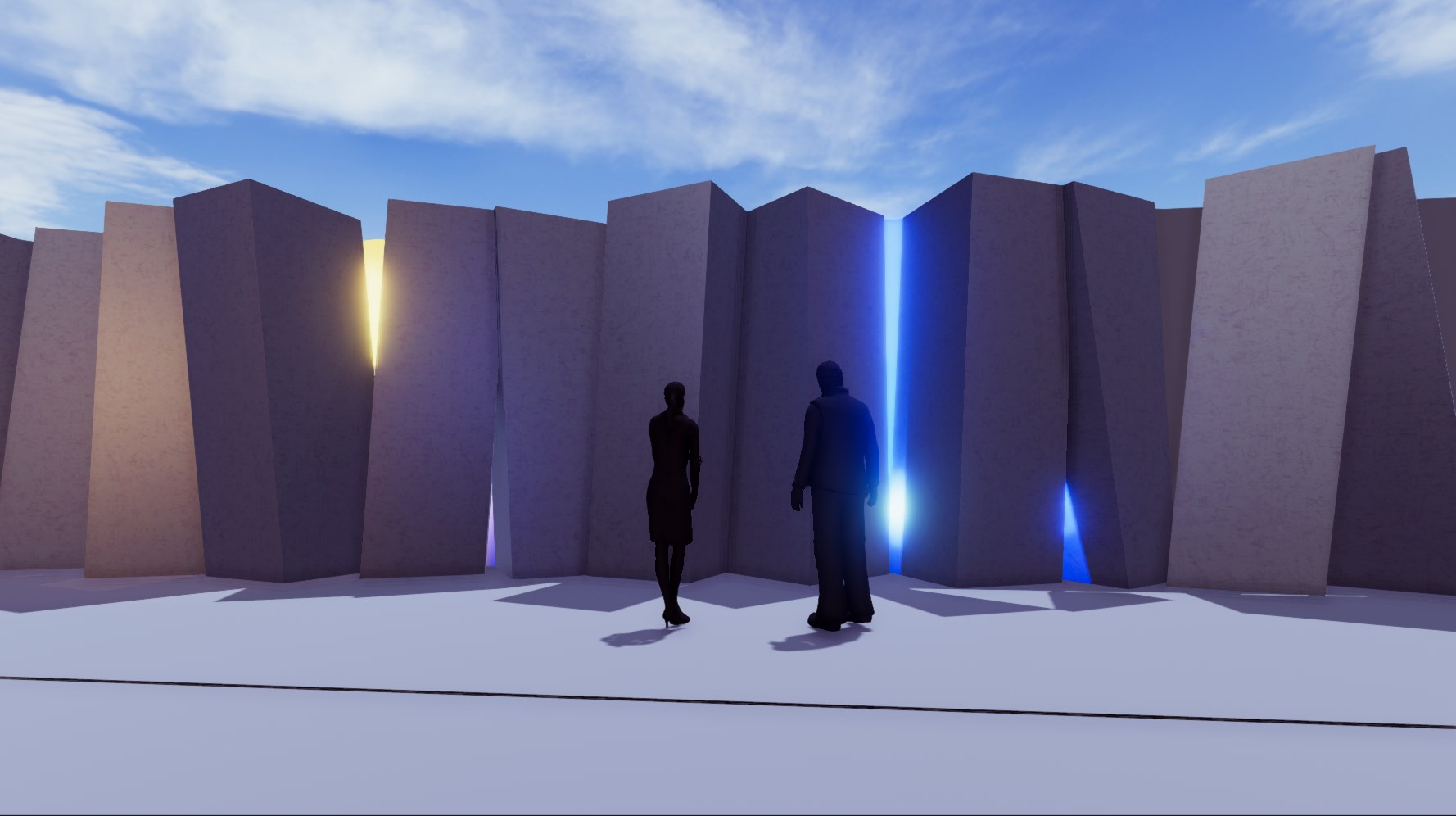
The City of Carmel, Indiana, commissioned the Institute for Digital Intermedia Arts (IDIA Lab) at Ball State University to develop innovative public art design concepts that merged sculptural forms with digital interactivity to create engaging, technology-driven experiences. These works combined durable, architecturally reactive sculptures with integrated exterior LED lighting and sound systems that responded to environmental cues and human presence. Utilizing a network of sensors and data-driven inputs, the installations transformed public spaces into dynamic environments where light and sound patterns shifted in real time, reflecting movement, interaction, or broader data visualizations. Through this fusion of art, technology, and community engagement, IDIA Lab’s proposals redefined public art as an interactive interface between people, place, and digital culture.
The Arena – Noblesville, Indiana
The Arena at Noblesville, Indiana, invited the Institute for Digital Intermedia Arts (IDIA Lab) at Ball State University to develop innovative design concepts for a series of large-scale LED signage installations within its public concourse. IDIA Lab’s vision integrated contextual event-based programming with immersive, interactive experiences that united content on the main atrium and second floor levels. The mezzanine features a segmented array of LED displays functioning as a dynamic video wall, where coordinated visual content plays across multiple panels to create a cohesive yet evolving media environment. On the main floor, visitors could actively engage with the space through sensors that captured movement and gestures, generating responsive layers of image and sound that transform in real time. Together, these design concepts transformed the concourse into a digital ecosystem where architecture, technology, and audience interaction converge.